Lost in Houston’s Hidden Worlds — You Won’t Believe What’s Here
Ever thought Houston was just highways and heat? Think again. Behind the sprawl, vibrant theme-driven neighborhoods burst with culture, flavor, and surprise. From art-drenched walls in the Heights to futuristic vibes at the Medical Center, each zone tells its own story. This isn’t just a city — it’s a collection of micro-universes waiting to be explored. Come with me as we dive into Houston’s most authentic, offbeat, and stunning districts. Far from a monolithic metropolis, Houston reveals itself in chapters, each neighborhood offering a distinct mood, rhythm, and identity. For travelers seeking depth over dazzle, the true essence of this Texan giant lies not in its skyline, but in the soul of its streets.
Beyond the Skyline – Houston’s Secret Identity
Houston often gets reduced to a stereotype: endless freeways, sweltering summers, and oil derricks on the horizon. But those who take the time to look closer discover a city of surprising complexity and charm. What sets Houston apart is not its size — though at over 600 square miles, it’s one of the largest U.S. cities by area — but its thematic richness. Rather than blending into a homogenous urban mass, Houston’s neighborhoods thrive as self-contained worlds, each with its own cultural heartbeat, aesthetic, and daily rhythm. These are not mere residential zones; they are immersive environments shaped by history, community, and creativity.
Travelers accustomed to ticking off landmarks may find Houston’s appeal more subtle, but ultimately more rewarding. Instead of a single downtown core, the city unfolds through a series of thematic districts — cultural enclaves, artistic corridors, culinary hubs, and innovation zones — that invite deeper engagement. A visit to Asiatown isn’t just about dining; it’s about stepping into a vibrant Asian-American community with festivals, grocery markets, and multilingual signage. A walk through the Houston Arts District offers more than gallery hopping — it’s a dialogue with local artists and urban planners who’ve turned public space into storytelling platforms.
What makes these theme-based areas so compelling is their authenticity. They weren’t designed for tourists; they evolved organically from the people who live and work there. This organic growth lends them credibility and warmth, allowing visitors to experience Houston not as a performance, but as a lived reality. Whether drawn by the aroma of freshly steamed buns, the glow of a mural under city lights, or the hum of medical research labs, travelers find themselves immersed in experiences that feel both personal and profound.
By navigating Houston through its themes rather than its map coordinates, visitors shift from passive observers to active participants. The city becomes less a destination and more a journey — one that rewards curiosity, rewards patience, and reveals its layers slowly, like peeling back the pages of a well-worn novel. In doing so, Houston challenges the notion that great urban adventures must happen in coastal capitals or historic European towns. Sometimes, the most unexpected discoveries lie in plain sight, waiting for those willing to look beyond the surface.
The Cultural Mosaic: Exploring Houston’s Global Neighborhoods
Houston is frequently cited as one of the most ethnically diverse cities in the United States, and this diversity isn’t just demographic data — it’s lived experience, visible in the fabric of its neighborhoods. Over 145 languages are spoken in the greater Houston area, and more than 90 consulates represent the city’s global connections. This multiculturalism has given rise to entire districts defined by their cultural identity, where language, cuisine, and tradition shape the streetscape.
One of the most celebrated examples is Asiatown, located just northeast of downtown. Once known as the old Chinatown, this evolving corridor now includes strong Vietnamese, Thai, Korean, and Malaysian influences. Walking along Bellaire Boulevard, visitors pass bustling supermarkets with rows of exotic fruits, bakeries offering durian-filled pastries, and restaurants serving everything from Hainanese chicken rice to pho ga. The annual Moon Festival draws thousands, transforming the area into a vibrant celebration of lanterns, dragon dances, and traditional music. For many Asian-American families, this is more than a commercial district — it’s a cultural anchor, a place to preserve heritage and pass traditions to the next generation.
Another standout is the Mahatma Gandhi District, officially designated along Hillcroft Avenue, which serves as the heart of Houston’s South Asian community. Here, sari shops stand beside vegetarian restaurants offering dosas, chaat, and biryani. The air carries the scent of cumin and cardamom, and storefronts display signs in Hindi, Urdu, and Gujarati. Religious centers, including Hindu temples, Sikh gurdwaras, and Islamic mosques, reflect the area’s spiritual diversity. During Diwali or Eid, the streets come alive with decorations, processions, and open-air markets, offering visitors a chance to witness traditions that are both ancient and vibrantly contemporary.
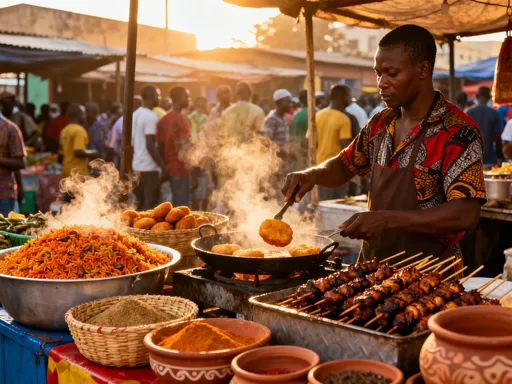
But Houston’s global reach extends beyond Asia. The city hosts one of the largest African immigrant populations in the country, with communities from Nigeria, Ethiopia, and Ghana establishing cultural centers and restaurants in neighborhoods like Southwest Houston. Latin American influence is equally strong, particularly in areas like the East End, where Mexican, Salvadoran, and Honduran cultures blend into a rich tapestry of food, music, and family-owned businesses. These neighborhoods aren’t tourist attractions in the traditional sense — they exist first for their communities — but they welcome respectful visitors eager to learn and connect.
For travelers, exploring these cultural enclaves offers more than photo opportunities; it provides insight into how immigration shapes cities. Unlike curated heritage sites, these districts are dynamic and evolving, shaped by new arrivals and generational shifts. They remind us that diversity isn’t a static exhibit — it’s a living, breathing force that enriches urban life. By stepping into these spaces with openness and respect, visitors gain a deeper understanding of Houston — and of America — as a place continually remade by the people who call it home.
Arts & Murals: Where Creativity Defines the Streets
If culture is the soul of Houston, art is its voice — loud, colorful, and impossible to ignore. The city has long embraced public art as a tool for expression, revitalization, and community building. From sprawling murals to sculptural installations, creativity isn’t confined to galleries; it spills onto alleyways, underpasses, and building facades, transforming ordinary spaces into open-air museums.
The Heights neighborhood stands as a prime example of how art can redefine a district. Once an industrial area, the Heights has evolved into a creative hub where vintage boutiques, coffee shops, and artist studios line tree-shaded streets. Its alleyways have become canvases for local and visiting muralists, with works ranging from whimsical animal portraits to powerful social commentaries. One famous piece, a giant blue heron stretching across a warehouse wall, has become a symbol of the area’s natural and artistic rebirth. These murals do more than beautify — they tell stories of resilience, environmental awareness, and neighborhood pride.
Further downtown, the Houston Arts District — anchored by the Museum of Fine Arts, the Contemporary Arts Museum, and Jones Hall — offers a more curated experience. Yet even here, art escapes the confines of institutions. The district features permanent installations like “The Eclipse,” a striking steel sculpture that plays with light and shadow, and rotating exhibits that invite interaction. Public art walks, often led by local guides, help visitors understand the context behind each piece, connecting aesthetics with history and community values.
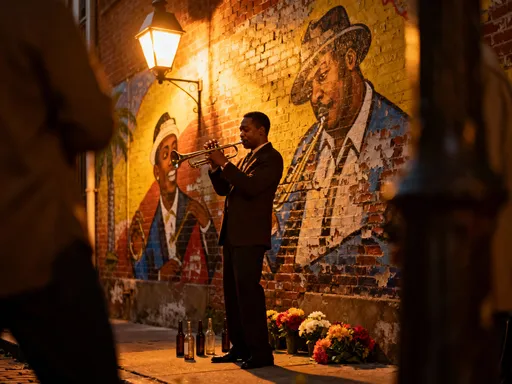
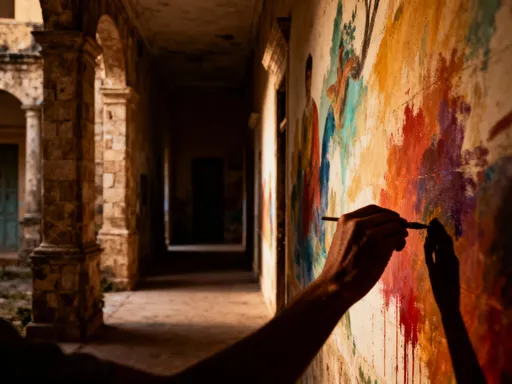
But perhaps the most democratic form of Houston’s artistic expression is the street mural movement. Organizations like the Houston Mural Festival have partnered with property owners and artists to transform neglected walls into vibrant landmarks. These projects often involve community input, ensuring that the artwork reflects local identity. In neighborhoods like EaDo (East Downtown) and the Third Ward, murals celebrate Black history, Texan heritage, and youth empowerment. A mural in Third Ward depicting a young girl reading beneath a canopy of books isn’t just decorative — it’s a statement about education, aspiration, and legacy.
For travelers, engaging with Houston’s art scene means more than sightseeing — it’s an invitation to participate. Self-guided mural tours, available through city websites and mobile apps, allow visitors to explore at their own pace. Community events, such as live painting sessions during First Saturday events, offer chances to meet artists and even try their hand at spray painting under supervision. These experiences foster connection, turning passive observation into active appreciation. In a city often criticized for its lack of walkability, public art creates reasons to slow down, look up, and see Houston from a new perspective.
Food as a Theme: Neighborhoods Built Around Flavor
In Houston, food isn’t just sustenance — it’s a cultural compass, guiding visitors through the city’s diverse neighborhoods. Unlike cities where international cuisine is scattered across upscale restaurants, Houston’s culinary landscape is deeply rooted in specific districts, each defined by its dominant flavors and cooking traditions. To eat in Houston is to travel the world without leaving the city limits.
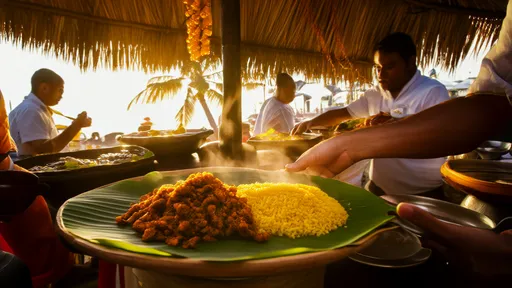
Chinatown, located in the Southwest corridor near Beltway 8, is a prime example. Now more accurately described as Asiatown due to its broad representation, this area is a paradise for food lovers. Dim sum houses serve steaming bamboo baskets from morning until afternoon, while Sichuan restaurants challenge diners with mouth-numbing mala spice. Vietnamese pho shops open early, filling the air with the rich scent of simmering beef broth. Korean barbecue joints invite guests to grill their own meats at the table, creating a lively, communal experience. For many Houstonians, a weekend isn’t complete without a trip to this culinary hub, where authenticity is measured not by Michelin stars, but by family recipes passed down through generations.
Midtown, on the other hand, pulses with a different energy — one shaped by Tex-Mex, craft tacos, and fusion cuisine. Here, food trucks line the sidewalks, offering everything from Korean BBQ tacos to vegan breakfast burritos. Brunch spots with outdoor patios serve migas and horchata, blending local and Latin flavors. Even mainstream restaurants in the area often incorporate regional ingredients, such as smoked brisket in tacos or prickly pear in cocktails. The emphasis is on bold, shareable flavors that reflect Houston’s love for bold tastes and social dining.
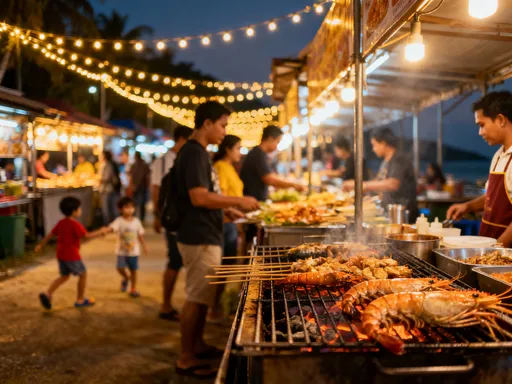
Lesser-known but equally compelling is EaDo, a neighborhood that has emerged as a hotspot for gourmet food trucks and brewery culture. Once an industrial zone, EaDo now hosts weekend markets where visitors queue for Korean fried chicken sandwiches, lobster rolls, and artisanal donuts. Nearby breweries like Saint Arnold and 8th Wonder offer tastings paired with rotating food vendors, creating a casual, convivial atmosphere. These spaces aren’t just about eating — they’re about community, where strangers strike up conversations over shared picnic tables and live music.
For travelers, food tours offer one of the most accessible ways to engage with Houston’s culture. Guided walks through Asiatown or Midtown provide not only tastings but context — explaining the origins of dishes, the significance of ingredients, and the stories behind family-run restaurants. Even solo diners can immerse themselves by visiting local favorites recommended by residents. In a city where hospitality is second nature, a simple “What do you recommend?” at a counter often leads to a warm conversation and a memorable meal. Ultimately, Houston’s food-themed neighborhoods prove that the best way to understand a place is through its flavors.
Science & Innovation: A Glimpse into Houston’s Future
Beyond its cultural and culinary offerings, Houston stands as a global leader in science and innovation — a fact often overlooked by visitors. Two districts, in particular, showcase the city’s forward-thinking spirit: the Texas Medical Center and the Johnson Space Center. These are not just workplaces; they are immersive environments where the future is being shaped every day.
The Texas Medical Center, located just south of downtown, is the largest medical complex in the world, spanning over 1,300 acres and housing more than 60 institutions. It’s home to pioneering research in cancer treatment, cardiovascular care, and organ transplantation. For travelers, the center offers public tours that demystify medical science, allowing visitors to see simulation labs, robotic surgery demonstrations, and patient care innovations. The nearby Houston Methodist Hospital even features art installations and healing gardens, emphasizing the connection between wellness and environment. While not a traditional tourist site, the Medical Center provides a profound reminder of human ingenuity and compassion.
Just 25 miles southeast lies NASA’s Johnson Space Center, the heart of America’s manned space program. Here, visitors can tour Mission Control, see historic spacecraft, and meet astronauts during public events. The Space Center Houston museum offers interactive exhibits on Mars exploration, zero-gravity living, and the science of rocketry. For families and curious minds, it’s a place of wonder — where dreams of space travel feel tangible. School groups, retirees, and international visitors alike leave inspired by the precision, teamwork, and vision required to explore the cosmos.
What makes these districts unique is their accessibility. Unlike research facilities hidden behind security gates, both the Medical Center and Johnson Space Center prioritize public engagement. They host educational programs, science fairs, and community outreach events that invite non-specialists to participate. For travelers, this means an opportunity to add intellectual depth to their trip — to leave not just with photos, but with new perspectives. In an era where science can feel distant or politicized, Houston offers a refreshing reminder of its human side: collaborative, hopeful, and relentlessly curious.
These innovation zones also reflect Houston’s identity as a city of problem-solvers. Whether tackling global health challenges or engineering spacecraft, the professionals here embody resilience and vision. For visitors, especially women and families, seeing these institutions in action can be empowering — a testament to what’s possible when knowledge, dedication, and community come together. Houston may not have the historic charm of older cities, but it offers something equally valuable: a glimpse into the future, built one discovery at a time.
Green Escapes: Nature-Infused Urban Zones
In a city known for its size and sprawl, green spaces might seem like an afterthought. But Houston has made a deliberate effort to weave nature into its urban fabric, creating parks and natural corridors that offer respite, recreation, and beauty. These green zones are not decorative add-ons — they are essential to the city’s quality of life and visitor experience.
Hermann Park, located near the Museum District, is one of Houston’s most beloved green spaces. Spanning 445 acres, it features a scenic lake, a Japanese garden, a children’s museum, and the Houston Zoo. The park’s wide pathways are perfect for strolling, jogging, or renting a paddleboat. At sunrise, mist rises off the water, creating a tranquil atmosphere. By afternoon, families gather for picnics, and couples ride the historic rail line that loops through the park. Hermann Park isn’t just a retreat — it’s a hub of activity, connecting culture, nature, and community in one vibrant space.
Equally impressive is Buffalo Bayou Park, a 160-acre linear park that runs along a winding waterway just west of downtown. Once neglected, the bayou has been transformed into a premier urban greenspace with trails, observation decks, and outdoor fitness stations. Kayaking and canoeing are popular, offering a unique perspective of the city skyline from the water. At sunset, the park glows with soft lighting, and visitors linger on the Cullen Performance Lawn, listening to music or simply watching the sky change colors. The Buffalo Bayou Partnership hosts regular events, from yoga classes to art installations, ensuring the space remains dynamic and inclusive.
But Houston’s green network extends beyond these major parks. The Bayou Greenways initiative has created over 150 miles of connected trails, linking neighborhoods and encouraging active transportation. Places like Terry Hershey Park and Bear Creek Pioneers Park offer hiking, birdwatching, and fishing, appealing to nature lovers of all ages. Even within dense urban areas, pocket parks and community gardens provide moments of calm and beauty.
For travelers, especially those visiting with children or seeking balance during a city trip, these green spaces are invaluable. They offer a chance to recharge, reflect, and reconnect with the natural world. In a city that can feel overwhelming in scale, parks provide orientation — both physical and emotional. They remind visitors that even in a modern metropolis, space for stillness and serenity exists. Houston’s commitment to green infrastructure shows that a city can grow without losing its soul — and that sometimes, the most memorable moments happen not in museums or restaurants, but beneath a canopy of live oaks, listening to the rustle of leaves.
Practical Exploration: Navigating Theme Areas Like a Pro
One of the biggest challenges for visitors to Houston is its sheer size and decentralized layout. Unlike compact cities where attractions cluster downtown, Houston’s theme-based districts are spread across a vast area, often separated by highways and residential zones. Without planning, a trip can become a series of long drives with little time spent actually exploring. But with the right strategies, navigating Houston’s neighborhoods can be smooth, efficient, and even enjoyable.
The key is to group destinations by theme and location. For example, a cultural day might include Asiatown and the Mahatma Gandhi District, both accessible via the Southwest Freeway corridor. An arts-focused itinerary could combine the Heights murals with a visit to the Houston Arts District, using timed rideshares to minimize parking stress. Families might dedicate a full day to the Johnson Space Center, combining it with a nearby hotel stay to avoid a long return drive.
Timing matters. Houston’s heat and humidity peak in the afternoon, so mornings are ideal for outdoor exploration. Visiting Hermann Park or Buffalo Bayou Park at sunrise or early evening offers cooler temperatures and softer light for photography. Food districts like Chinatown are busiest during weekend lunch hours, so arriving by 11 a.m. or after 2 p.m. can mean shorter waits. Museums and science centers often open at 10 a.m., making them perfect mid-morning stops.
Parking varies by area. Downtown and the Museum District offer garages and paid lots, while neighborhoods like the Heights may require street parking with time limits. Rideshares like Uber and Lyft are widely available and often the most convenient option, especially when visiting multiple locations. The METRO transit system includes light rail and buses, though coverage is limited outside central corridors.
For a seamless experience, travelers should consider multi-day itineraries that focus on one or two themes per day. This allows for deeper immersion without rushing. Packing light layers, sunscreen, and reusable water bottles helps manage the climate. Most importantly, embracing a flexible mindset — accepting that Houston reveals itself slowly — turns potential frustrations into part of the adventure. With thoughtful planning, even first-time visitors can navigate the city like seasoned locals, discovering its hidden worlds one neighborhood at a time.
Houston as a Tapestry of Experiences
Houston doesn’t reveal itself all at once. Its magic lies in the layers — each theme area adding texture, color, and meaning. From the sizzle of a wok in Asiatown to the quiet reflection in a Japanese garden, from the hum of a research lab to the bold strokes of a street mural, the city offers a mosaic of experiences that resonate on both emotional and intellectual levels. For 30- to 55-year-old women — many of whom seek meaningful, enriching travel that balances discovery with comfort — Houston delivers in unexpected ways.
It’s a city where culture isn’t performed, but lived; where art isn’t confined to frames, but painted on walls; where food tells stories of migration and family; and where science inspires awe and hope. The neighborhoods explored here — cultural enclaves, artistic districts, culinary zones, innovation hubs, and green retreats — are not isolated attractions, but interconnected threads in a larger urban tapestry. Together, they form a portrait of a city that is resilient, diverse, and constantly evolving.
Travelers who approach Houston with curiosity and an open heart will find more than sights to see — they’ll find connections to make, stories to hear, and moments of quiet beauty amidst the urban bustle. This is not a city for checklist tourism. It’s for those who appreciate depth, authenticity, and the joy of discovery. In the end, Houston invites us to rethink what a great American city can be — not through grand monuments, but through the everyday brilliance of its people, places, and possibilities. The real journey? Realizing that a city once overlooked might just be one of the most rewarding urban adventures of all.