You Won’t Believe What I Found in Hue’s Hidden Cultural Spots
Hue, Vietnam doesn’t just whisper history—it sings it. Walking through its quiet alleyways and ancient courtyards, I felt like I’d stepped into a living museum. From imperial citadels to serene pagodas tucked along the Perfume River, the city’s cultural venues are more than tourist stops—they’re soulful spaces where tradition breathes. This is a personal journey through the heart of Vietnam’s heritage, where every stone and statue tells a story. You gotta experience this.
The Imperial City: More Than Just Walls and Gates
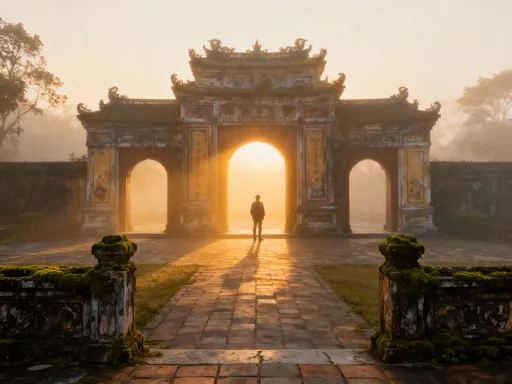
Situated along the banks of the Perfume River, the Imperial City of Hue stands as the crown jewel of Vietnam’s cultural landscape. Built in the early 19th century under Emperor Gia Long, this vast complex served as the political, cultural, and spiritual center of the Nguyen Dynasty for over a century. Enclosed by massive stone walls and a wide moat, the citadel spans over 520 hectares and follows traditional geomantic principles, with its layout aligned to the cardinal directions. The symmetry and precision of its design reflect deep Confucian ideals of harmony, order, and imperial authority. For visitors, stepping through the Ngo Mon Gate—the South Gate—is like crossing a threshold into another era, where royal ceremonies once unfolded and emperors ruled from the throne hall.
What makes the Imperial City more than a historical monument is its emotional resonance. Unlike reconstructed sites elsewhere, much of what you see here has been carefully restored after wartime damage, preserving the authenticity of its architecture and atmosphere. Walking through the Can Chanh Palace or the Thai Hoa Palace, one can almost hear the rustle of silk robes and the soft echoes of ancestral prayers. The site’s UNESCO World Heritage designation in 1993 underscores its global significance, but its true value lies in the way it connects modern travelers to Vietnam’s royal consciousness. For families, especially those with older children or teenagers, it offers a rare opportunity to engage with history in a tangible, immersive way.
To make the most of your visit, timing is essential. The best hours are early morning, between 7:00 and 9:00 AM, when the light is soft, the air is cool, and the crowds are thin. This is also when local residents practice tai chi in the courtyards, adding a living cultural layer to the ancient setting. A guided tour, led by a licensed local historian, can deepen understanding—many guides share personal family stories linked to the city’s past, bridging national history with intimate memory. Comfortable walking shoes are a must, as the site requires extensive walking, and sun protection is advisable during midday hours. While audio guides are available, nothing compares to the insights offered by a passionate human guide who can answer questions and point out subtle architectural details often missed by the casual observer.
Photography is permitted in most areas, though flash is discouraged inside buildings to protect delicate artifacts. Families will appreciate the availability of shaded rest areas and small kiosks selling coconut water and rice crackers nearby. The site is wheelchair-accessible in key sections, though some areas with original stone pathways may pose challenges. Visiting the Imperial City isn’t just about checking a box on a travel itinerary—it’s about pausing to absorb the weight of centuries, to stand where emperors once stood, and to reflect on how history shapes identity. In an age of fast travel and fleeting experiences, this place invites slowness, reverence, and connection.
Thien Mu Pagoda: Where Serenity Meets History
Rising seven stories above the northern bank of the Perfume River, Thien Mu Pagoda—also known as the Heavenly Lady Temple—embodies the quiet grace of Vietnamese spirituality. Its octagonal Phuoc Duyen Tower, painted in soft ochre and crowned with a golden spire, has become one of Hue’s most iconic images. According to legend, the pagoda was founded in 1601 after a local governor dreamed of a celestial lady who foretold the need for a Buddhist temple at that very spot to bring peace and prosperity. The name “Thien Mu” means “Heavenly Lady,” and the site has remained a place of spiritual significance ever since.
The pagoda’s location offers a peaceful contrast to the grandeur of the Imperial City. Set amidst lush gardens and ancient banyan trees, it faces the slow-moving river, creating a meditative atmosphere that draws both pilgrims and travelers seeking stillness. The grounds are home to several shrines, meditation halls, and a small museum housing religious relics, including a preserved automobile once used by a prominent monk during a historic peace protest in the 1960s—a reminder that spirituality in Vietnam is not separate from social consciousness. Monks in saffron robes move quietly through the corridors, chanting prayers and tending to daily rituals, their presence adding a living rhythm to the site.
Visitors are welcome to explore the pagoda respectfully. Removing shoes before entering halls, dressing modestly, and speaking in low voices are simple gestures that show cultural sensitivity. Families often find this to be one of the most calming stops on their journey, where even children can learn about mindfulness and quiet reflection. Sitting by the lotus pond, watching koi glide beneath the surface, offers a moment of pause in an otherwise busy travel schedule. The pagoda also provides a perfect vantage point for photographs, especially at sunrise or late afternoon when the light casts a golden glow on the tower and reflects off the water.
For those interested in deeper engagement, some mornings include short chanting sessions open to visitors. While participation is not required, listening to the melodic recitations in classical Vietnamese can be a profoundly moving experience. Local guides often share stories about the pagoda’s role in preserving Buddhist teachings through periods of political change, emphasizing its resilience and enduring relevance. Unlike more commercialized religious sites, Thien Mu maintains its authenticity through simplicity and devotion. It’s a place where history, faith, and nature converge, offering a rare sense of wholeness to those who visit with an open heart.
Royal Antiques and Living Culture at the Hue Museum of Royal Fine Arts
Just a short walk from the Imperial City lies a treasure often overlooked by hurried tourists—the Hue Museum of Royal Fine Arts. Housed in a series of traditional pavilions surrounded by lotus ponds and shaded walkways, this museum offers an intimate look at the material culture of the Nguyen Dynasty. Inside, glass cases display an exquisite collection of royal artifacts: jade seals inscribed with imperial proclamations, intricately embroidered dragon robes, ceremonial fans, and delicate porcelain from royal banquets. Musical instruments used in court performances—such as the dan nguyet (two-stringed lute) and khen (bamboo mouth organ)—are also on display, each piece telling a story of artistry and ritual.
What sets this museum apart is its focus on authenticity and context. Unlike larger national museums that may present artifacts in isolation, here each object is accompanied by detailed descriptions in both Vietnamese and English, explaining its historical use and symbolic meaning. A child’s silk tunic, for example, reveals the importance of lineage and succession, while a golden incense burner speaks to the spiritual practices that guided imperial decision-making. The museum also features reconstructions of royal chambers, allowing visitors to visualize how emperors and their families lived, worshipped, and governed.
Open daily from 8:00 AM to 5:00 PM, the museum sees fewer crowds than other attractions, making it ideal for thoughtful exploration. Photography is allowed without flash, and benches are placed throughout for rest and reflection. Families with an interest in art, history, or design will find it especially rewarding. The museum staff, though quiet, are knowledgeable and willing to answer questions—many have worked there for decades and take pride in sharing their understanding of royal traditions. Temporary exhibitions occasionally highlight specific themes, such as royal cuisine or ancestral portraiture, adding variety for repeat visitors.
One of the most touching displays is a collection of personal letters written by emperors to their families, revealing their human side—concerns about health, expressions of love, and reflections on duty. These handwritten notes, preserved on yellowed rice paper, bridge the gap between historical figures and modern readers, reminding us that even those in power grappled with universal emotions. The museum doesn’t dramatize or sensationalize; instead, it invites quiet contemplation. It’s a place where culture isn’t performed but preserved, where every object carries the weight of memory. For travelers seeking depth over spectacle, this is a must-visit sanctuary of heritage.
Off-the-Beaten-Path: Exploring Ancient Communal Houses
Beyond the well-trodden paths of Hue’s central landmarks lie quiet villages where tradition continues in its most grounded form. In places like Thanh Toàn and Phuoc Tich, ancient communal houses—known locally as “dinh” or “nha cong dong”—serve as enduring symbols of village life. Built from wood, stone, and baked clay, these structures date back centuries and were once the heart of community governance, conflict resolution, and seasonal celebrations. Unlike royal or religious sites, communal houses belonged to the people, functioning as meeting halls where elders gathered, festivals were planned, and ancestral rites were observed.
Thanh Toàn Communal House, located about 10 kilometers west of Hue, is a beautifully preserved example. Constructed in 1776, it features a curved tiled roof supported by thick wooden pillars, intricate carvings of dragons and lotuses, and a central courtyard where villagers once performed folk dances. The surrounding area remains largely agricultural, with rice paddies and herb gardens stretching into the distance. Phuoc Tich Village, meanwhile, is renowned not only for its communal house but also for its ancient well fields and traditional pottery-making, a craft passed down through generations. Walking through its brick-paved streets, one can see homes with century-old walls made from river clay, still inhabited by descendants of the original families.
Visiting these sites offers a rare glimpse into rural Vietnam’s cultural continuity. Unlike urban attractions shaped by tourism, these villages maintain their rhythm without performance. Locals may smile and nod in greeting, but they go about their daily lives—tending gardens, repairing roofs, or weaving baskets—unhurried by outside attention. Travelers are encouraged to visit with humility, asking permission before photographing people or homes. Small donations at entrance points help fund preservation efforts, and purchasing handmade crafts directly supports artisans. Bicycles are the best way to explore, allowing quiet access and minimizing disruption. Guided village tours, often led by residents, provide context and translation, enriching the experience.
These communal houses are not frozen in time—they are living spaces. In Thanh Toàn, the annual Thanh Toàn Festival still draws villagers for traditional music, food offerings, and ancestor veneration. Such events, though modest, sustain cultural memory in ways no museum can replicate. For travelers, especially those with an interest in authentic heritage, these visits offer a deeper understanding of how tradition survives not in grandeur but in daily practice. They remind us that culture is not only preserved in palaces and pagodas but also in the quiet dignity of ordinary life.
Cultural Immersion Through Traditional Performing Arts
One of Hue’s most profound cultural gifts is Nhã Nhạc, the royal court music of the Nguyen Dynasty. Recognized by UNESCO in 2003 as a Masterpiece of the Oral and Intangible Heritage of Humanity, this refined musical tradition once accompanied imperial ceremonies, coronations, and ancestral worship. Characterized by its slow, meditative tempo and use of traditional instruments—including the dan tranh (zither), dan nhi (fiddle), and tranh flute—Nhã Nhạc is less entertainment than spiritual offering. The melodies are designed to honor ancestors, invoke harmony, and reflect cosmic balance, making each performance a ritual as much as a concert.
Today, travelers can experience Nhã Nhạc in several settings. The most formal performances take place at the Hue Royal Theater, a modern venue near the Perfume River that hosts nightly shows during peak tourist seasons. Dressed in reproduction imperial costumes, musicians and dancers perform with precision and grace, their movements synchronized to the music’s deliberate pace. While these shows are accessible and well-organized, a more intimate experience can be found in village cultural centers or during special festivals, where local troupes perform in simpler spaces, often with fewer tourists and more emotional authenticity.
Attending a performance is more than passive observation—it’s an invitation to listen deeply. The music does not dazzle with speed or volume; instead, it unfolds slowly, asking the audience to quiet their minds and feel the resonance of centuries. For many visitors, especially those accustomed to fast-paced entertainment, this requires a shift in expectation. But those who stay present often describe a sense of calm, even awe, as the melodies seem to connect them to something larger than themselves. Parents traveling with older children may find it a valuable lesson in patience and cultural appreciation.
Some cultural centers offer short workshops where visitors can try playing basic notes on traditional instruments or learn simple dance gestures. These hands-on experiences deepen understanding and create lasting memories. While language barriers exist, music becomes a universal bridge. The preservation of Nhã Nhạc relies on dedicated teachers and students who continue to study and perform it, often with little fame or financial reward. By attending a performance or making a small donation, travelers contribute to its survival. In a world where many traditions fade, supporting living arts like Nhã Nhạc is one of the most meaningful ways to honor a culture.
Connecting with Locals: How Cultural Venues Stay Alive
Behind every preserved temple, restored artifact, and performed melody are the people who keep Hue’s culture alive. Monks who rise before dawn to chant sutras, artisans who carve wood by hand, elders who remember stories from childhood—these individuals are the quiet guardians of heritage. Tourism, when practiced with respect, can support their work rather than disrupt it. Simple actions—such as asking permission before taking photos, speaking gently, and buying crafts directly from makers—can make a meaningful difference. Many visitors are surprised by how warmly they are received when they show genuine interest, even with limited language.
In Phuoc Tich, a potter in his seventies continues to shape clay using methods unchanged for 200 years. He doesn’t advertise; his workshop is behind his home, visible only to those who wander off the main path. Yet, when asked about his craft, his eyes light up as he explains the significance of each glaze and form. These moments of connection—brief, unplanned, and heartfelt—are often the most memorable parts of a trip. Learning a few Vietnamese phrases, like “Xin chào” (hello) or “Cảm ơn” (thank you), goes a long way in building rapport. Smiles, too, are a universal language.
Tourism revenue helps fund restoration projects, pay teachers of traditional arts, and maintain communal spaces. But beyond economics, it affirms the value of culture. When a child sees a foreigner admiring their village’s music or craft, it reinforces pride in their heritage. Travelers, in turn, gain more than souvenirs—they gain perspective. The key is mindfulness: moving slowly, listening more than speaking, and recognizing that we are guests in someone else’s home. Hue does not perform for tourists; it simply lives. Our role is to witness, appreciate, and leave with gratitude.
Why Hue’s Cultural Journey Stays With You
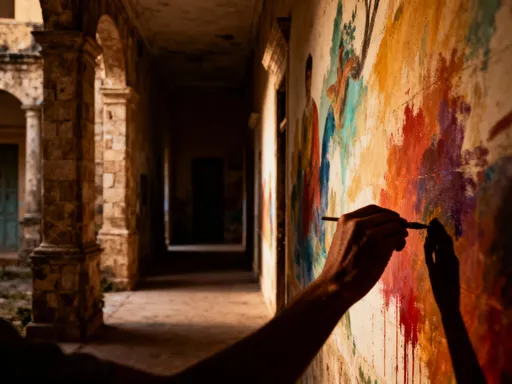
What lingers after a visit to Hue is not just the image of a pagoda or the sound of court music, but a feeling—an awareness of continuity. In a world where so much feels temporary, Hue offers a rare sense of depth and endurance. Its cultural sites are not theme parks or staged spectacles; they are living parts of a community’s identity. You feel it in the silence of a morning temple, the careful stroke of a restorer’s brush, the quiet dignity of an elder placing flowers at an ancestral altar.
Unlike more commercialized destinations, Hue does not rush you. It asks you to slow down, to look closely, to listen. And in that stillness, something shifts. You begin to see history not as a series of dates, but as a living thread connecting past and present. You realize that culture is not something you consume, but something you participate in—with respect, with humility, with heart.
For women in their thirties to fifties—mothers, daughters, sisters, wives—this kind of travel can be especially meaningful. It speaks to the values many hold dear: family, tradition, resilience, care. It reminds us that beauty exists in simplicity, that wisdom lives in quiet places, and that our own lives are part of a larger story.
So go to Hue. Walk its ancient paths. Sit by the river. Let the music fill your ears and the history fill your heart. Let yourself be moved not by spectacle, but by substance. And when you return home, you’ll carry more than photos—you’ll carry a deeper sense of connection, to a place, to a people, and to the enduring power of culture. That’s not just travel. That’s transformation.