Lost in Langkawi’s Hidden Public Gems? Let’s Fix That.
Ever wandered through a tropical island and felt like you’re missing the real vibe—beyond the resorts and tourist traps? I did. But in Langkawi, Malaysia, it’s the public spaces—vibrant, raw, and full of soul—that stole my heart. From lively night markets to seaside boardwalks buzzing with locals, these are the spots where culture breathes. This isn’t just a travel guide. It’s your backstage pass to the island’s everyday magic, where travelers and communities meet. Let’s explore the spaces that maps often overlook, the corners where laughter spills from food stalls, where children chase kites on breezy promenades, and where time slows just enough to let you feel the rhythm of island life.
The Pulse of the Island: Why Public Spaces Matter in Langkawi
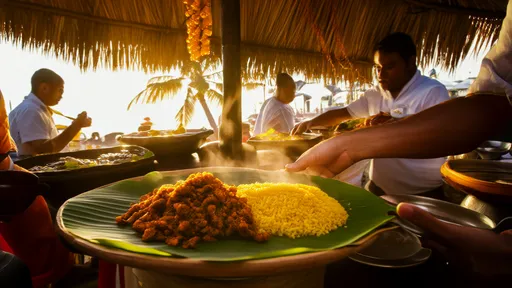
Langkawi’s charm does not reside solely in its luxury resorts or postcard-perfect beaches. The true heartbeat of the island pulses through its public spaces—places where residents gather, traditions unfold, and daily life plays out in full color. These areas are more than just functional zones; they are living, breathing extensions of the island’s identity. Unlike curated tourist experiences, public spaces offer unfiltered access to local culture, allowing visitors to witness and participate in authentic moments. Whether it’s the early morning hum of fishermen preparing their boats at the jetty or the midday chatter at a roadside stall serving nasi lemak wrapped in banana leaves, these scenes reflect a community deeply rooted in routine, connection, and warmth.
What makes these spaces particularly meaningful is their inclusivity. Unlike private resorts or ticketed attractions, public areas in Langkawi are open to everyone—locals and visitors alike. There are no entry fees, no dress codes, and no reservations required. This accessibility fosters natural interaction. A traveler sipping coconut water at Pantai Cenang Beachfront might strike up a conversation with a grandmother walking her grandson, or a family picnicking under a sea almond tree could invite a curious tourist to try their homemade kuih. These spontaneous exchanges are not staged performances; they are genuine reflections of Malay hospitality, where sharing space often means sharing stories.
The organic rhythm of island life is best observed in how people move through and use these shared environments. Morning strolls along the beachfront are not just for exercise—they are social rituals. Vendors set up their carts with practiced ease, knowing exactly where the shade will fall by noon. Children play barefoot in the sand while parents chat nearby. These routines may seem simple, but they reveal a deep connection between people and place. For the mindful traveler, observing these patterns offers a richer understanding of Langkawi than any guided tour could provide. The island’s soul is not hidden—it’s on full display, in plain sight, if you know where to look.
Kuah Town: The Underrated Heart of Daily Life
Most visitors breeze through Kuah Town only long enough to catch a ferry or rent a car, missing the fact that this unassuming administrative center is the island’s true cultural core. Unlike the resort-lined shores of Pantai Cenang or the dramatic cliffs of Gunung Mat Cincang, Kuah does not dazzle with scenery. Instead, it captivates with authenticity. Here, the island’s daily rhythm is most palpable—the revving of motorbikes at dawn, the clatter of woks in open-air kitchens, the steady flow of shoppers navigating narrow streets lined with family-run shops. Kuah is not designed for tourists, and that’s precisely what makes it special.
The ferry terminal serves as a natural starting point, a gateway not just to Langkawi but into the pulse of local life. Families gather here, reuniting after trips to the mainland. Workers return from Penang or Alor Setar, carrying plastic bags filled with groceries and household goods. Vendors sell snacks from pushcarts—steamed buns, iced teas, and freshly fried pisang goreng—adding layers of scent and sound to the scene. Even the waiting areas, often overlooked, become informal gathering spots where people sit on benches, scroll through phones, or exchange quick greetings with familiar faces. There’s a quiet warmth in these moments, a sense of belonging that tourists can observe and, with respect, quietly join.
Just beyond the terminal, the streets of Kuah come alive with commerce and community. The Central Market, known locally as Pasar Malam Kuah, operates daily in a covered market hall and transforms into a bustling night market on weekends. Inside, stalls overflow with fresh produce—spiky durians, bundles of lemongrass, and plump red chilies—while butchers display cuts of halal meat with precision. Elderly women haggle gently over prices, their baskets already half-full. The air carries a mix of damp earth from recently washed vegetables, the tang of fermented shrimp paste, and the sweetness of ripe mangoes. This is not a market staged for tourists; it’s a vital part of daily life, where families stock up, neighbors catch up, and traditions are quietly preserved.
What makes Kuah truly walkable is its human scale. Sidewalks, though occasionally uneven, are wide enough for strollers and shoppers. Shade trees line the streets, offering relief from the tropical sun. Small mosques appear at regular intervals, their minarets marking the passage of time with the call to prayer. These elements—simple, functional, and deeply embedded in daily use—create a sense of continuity and comfort. For the traveler willing to step off the beaten path, Kuah offers a rare opportunity: to experience Langkawi not as a destination, but as a living community.
Night Markets: Where Culture Comes Alive After Dark
If there’s one place where Langkawi’s spirit shines brightest, it’s the night markets. Unlike the polished food courts of shopping malls, these open-air gatherings are spontaneous, sensory-rich, and deeply communal. The most famous of these is the Kuah Night Market, which takes over the streets near the jetty every Friday and Saturday evening. But smaller versions appear in other towns like Padang Matsirat and Pantai Tengah on different nights, ensuring that no matter where you stay, you’re never far from this beloved tradition. These markets are not tourist attractions—they are local institutions, where families come to eat, socialize, and unwind after the week’s work.
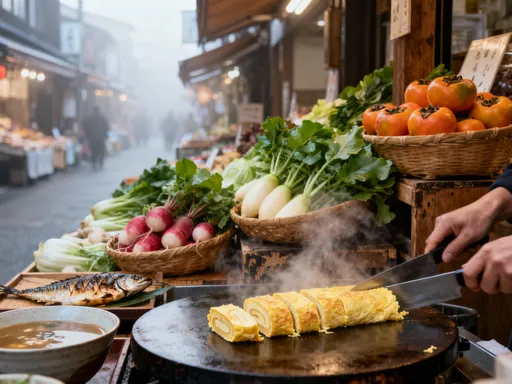
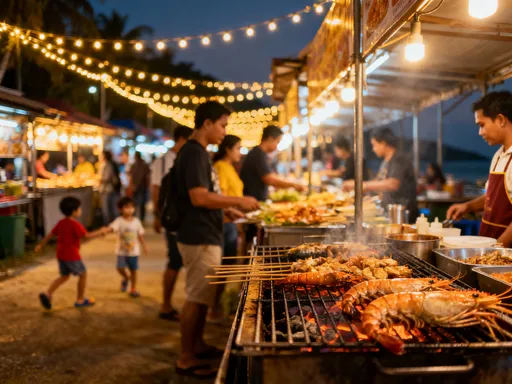
As dusk falls, the transformation begins. Vendors roll out carts laden with grills, steaming pots, and neatly arranged ingredients. The scent of charred satay and sizzling seafood fills the air. Strings of LED lights blink to life, casting a warm glow over rows of stalls selling everything from grilled squid on skewers to rainbow-colored shaved ice desserts. Children run between tables, chasing soap bubbles blown by street performers. Couples share plates of stir-fried noodles under plastic tents. The atmosphere is lively but never chaotic—a harmonious blend of commerce and celebration.
What sets these markets apart is their authenticity. There are no fixed prices, no menus in multiple languages, and no pressure to perform for visitors. Instead, there’s a quiet confidence in the food and the experience. A vendor flipping apam balik—a sweet pancake filled with crushed peanuts and sugar—might nod at a regular customer before handing over a steaming hot piece. Another might offer a sample of freshly grilled stingray, its skin crisp and smoky, served with a spicy sambal dip. These interactions are not transactions; they are moments of connection, small but meaningful.
For travelers, the night market is both a culinary adventure and a cultural immersion. To make the most of it, timing matters. Arriving between 6:30 and 7:30 p.m. ensures access to the widest selection before popular stalls sell out. Cash is essential—most vendors do not accept cards or digital payments. Bringing small bills helps, as change can be slow. While it’s tempting to stick to familiar flavors, stepping outside your comfort zone is part of the experience. Try the otak-otak, a spiced fish paste wrapped in banana leaf and grilled over charcoal, or the cendol, a refreshing dessert of coconut milk, palm sugar, and green rice flour jelly. Each bite tells a story of family recipes passed down through generations.
Waterfront Escapes: From Jetty Walks to Sunset Benches
Langkawi’s coastline is dotted with public waterfront spaces that invite leisurely exploration. While the beaches draw crowds for swimming and sunbathing, the boardwalks and promenades offer something different: a place to walk, sit, and simply be. The Pantai Cenang boardwalk is perhaps the most well-known, stretching along the shoreline with wooden planks elevated slightly above the sand. Benches are spaced at intervals, some facing the sea, others tucked under shaded pergolas. At sunset, the area comes alive with photographers, couples, and families capturing the golden hour. But even during the day, the boardwalk serves as a quiet refuge—a place to read, sip a drink, or watch fishermen mend their nets.
What makes these spaces so effective is their thoughtful design. The boardwalk is wide enough for strollers and wheelchairs, making it accessible to all ages. Lighting is subtle but sufficient, ensuring safety without disrupting the natural ambiance. Trash bins and signage are strategically placed, maintaining cleanliness without cluttering the view. These details may seem minor, but they reflect a deeper commitment to creating public spaces that are not only beautiful but usable. Unlike some tourist-heavy areas where everything feels commercialized, the Pantai Cenang boardwalk balances functionality with tranquility.
For those seeking quieter alternatives, the Telaga Tujuh promenade offers a more secluded experience. Located near a series of freshwater lakes, this walkway winds through shaded groves and opens to small viewing decks overlooking the water. It’s a favorite among locals for morning walks and evening jogs. The pace is slower, the crowds thinner. Here, you might see an elderly couple feeding ducks, or a group of schoolchildren sketching the landscape for an art class. The absence of food stalls and souvenir shops enhances the sense of calm, making it a true escape from the island’s busier zones.
These waterfront areas also serve as informal gathering spots. On weekends, families spread mats on the grass and enjoy packed meals. Teenagers gather to fly kites or practice dance routines. The shared use of space fosters a quiet sense of community. For travelers, these moments are golden opportunities to observe daily life without intrusion. Sitting on a bench and watching the world go by is not passive—it’s a form of participation. You become part of the scene, not as a spectator, but as a respectful guest in a shared environment.
Green Spaces: Parks That Breathe With the Island
In a destination known for beaches and jungles, Langkawi’s urban green spaces often go unnoticed. Yet these oases play a vital role in the island’s social fabric. Unlike the dense rainforest trails of Kilim Geopark or the dramatic peaks of Gunung Raya, these parks are designed for people. They are places to rest, play, and connect. The Langkawi Wildlife Park, though partially ticketed, includes free-access gardens with shaded paths, water features, and native plant displays. Nearby, smaller public gardens—often adjacent to government buildings or community centers—offer open lawns, playgrounds, and seating areas.
These green zones are especially important in Langkawi’s tropical climate. The midday heat can be intense, making air-conditioned malls tempting. But public parks provide a natural alternative—cool, shaded, and alive with birdsong. Mature trees like rain trees and frangipani create dense canopies, their roots winding across the ground like natural sculptures. Benches are positioned to catch the breeze, often facing small ponds or fountains. These design choices are not accidental; they encourage lingering, turning a quick stop into a meaningful pause.
The social life of these parks unfolds in subtle ways. In the early morning, groups gather for light exercise—tai chi, stretching, or slow dance routines set to soft music. On weekends, families claim patches of grass for picnics, spreading out banana-leaf-wrapped meals and thermoses of tea. Children chase each other around playgrounds, their laughter echoing under the trees. These activities are not organized events; they are organic expressions of community life. The parks do not impose rules or schedules—they simply provide space, and people fill it with meaning.
For travelers, visiting these green spaces offers a chance to slow down. A morning walk through a public garden can be as restorative as a spa treatment. The scent of damp earth after a brief rain, the rustle of leaves in the wind, the sight of a kingfisher darting across a pond—these details anchor you in the present. They remind you that travel is not just about checking off attractions, but about feeling the texture of a place. Langkawi’s parks may not appear on most itineraries, but they are essential to understanding the island’s rhythm.
Transportation Hubs as Unexpected Social Spaces
Travelers often view transportation hubs as mere transitions—places to pass through, not to linger. But in Langkawi, ferry terminals and bus stops are more than functional nodes; they are vibrant social spaces. The Kuah Jetty, in particular, is a microcosm of island life. Here, the practical and the personal intersect. A fisherman returns with his catch, a student reunites with her parents after a term away, a tourist checks the departure board with mild anxiety. The jetty does not hide these moments; it frames them.
Seating is abundant, with rows of benches under shaded canopies. Vendors sell drinks, snacks, and ferry tickets from small kiosks. The air carries the briny scent of the sea, mixed with the sweetness of ripe jackfruit from a nearby stall. Information boards are clearly marked, but many locals rely on word of mouth, asking crew members or fellow passengers for updates. This informal network reflects a deeper trust in community knowledge. Waiting is not seen as wasted time—it’s part of the journey.
The design of the jetty supports this social function. Wide walkways allow for easy movement, even during peak hours. Lighting is sufficient for evening arrivals. Signage is bilingual—Malay and English—ensuring accessibility for both residents and visitors. These elements, though simple, contribute to a sense of order and comfort. Unlike some transit points that feel sterile or stressful, the Kuah Jetty feels lived-in, welcoming.
For travelers, spending a little extra time at the jetty can yield unexpected rewards. Observing the flow of people, listening to snippets of conversation, watching the boats come and go—these experiences add depth to a visit. You begin to see Langkawi not as a collection of attractions, but as a connected community. The jetty, often the first and last place you see, becomes a symbol of arrival and departure, of connection and continuity.
How to Experience Langkawi’s Public Spaces Like a Local
To truly connect with Langkawi, one must move beyond the itinerary. The most meaningful experiences happen not in guided tours, but in quiet moments of observation and participation. The key is timing. Visit the night market on a Friday evening, when the energy is highest. Arrive at the beachfront early in the morning, when fishermen are still sorting their catch. Walk through Kuah Town during the weekday lunch rush, when the hawker centers are fullest. These moments align with local routines, offering a more authentic view of daily life.
Respect is equally important. Public spaces are shared, and while visitors are welcome, they are guests. Avoid intrusive photography—ask permission before taking pictures of people, especially children and elders. Dress modestly, particularly in towns and near mosques. Use cash when possible, as many small vendors do not accept digital payments. Support local businesses by buying from street vendors rather than chain stores. These small choices show appreciation and help sustain the very spaces you come to enjoy.
Embrace slowness. Langkawi operates on island time, where rushing is unnecessary and lingering is encouraged. Sit on a bench and watch the sunset. Strike up a conversation with a vendor. Let your children play with local kids at the park. These moments may not make it into your photo album, but they will stay with you longer than any landmark. Travel becomes meaningful not through what you see, but through how you feel.
Finally, approach these spaces with curiosity and humility. You are not just a tourist; you are a participant in a living culture. By engaging mindfully, you contribute to a mutual exchange—one that enriches both you and the community. Langkawi’s public spaces are not backdrops for photos. They are stages for real life, and every visitor has a role to play.
More Than Just Places—They’re Connections
Langkawi’s true beauty lies not in its postcard views, but in its shared spaces. These are not empty backdrops waiting to be filled by tourists. They are living, evolving parts of the island’s identity—where culture is practiced, not performed. From the sizzle of satay at a night market to the quiet hum of a morning walk along the jetty, these moments form the fabric of everyday life. They remind us that travel at its best is not about escape, but about connection.
When you step into a public space with awareness and respect, you do more than sightsee—you belong, even if just for a moment. You become part of a story that has been unfolding for generations. The vendor who hands you a cup of hot tea, the child who smiles as you pass, the elder who nods in greeting—these interactions, small as they may seem, are the heart of meaningful travel.
So the next time you visit Langkawi, look beyond the resorts and the guidebooks. Walk into Kuah Town. Join the crowd at the night market. Sit on a bench by the water and watch the world go by. Let the island reveal itself not through grand gestures, but through quiet, ordinary moments. Because in the end, it’s not the places we remember most—it’s the people, the feelings, the sense of being part of something real. That’s the magic of Langkawi’s public spaces. And it’s waiting for you, just off the beaten path.