You Won’t Believe What I Ate in Daegu
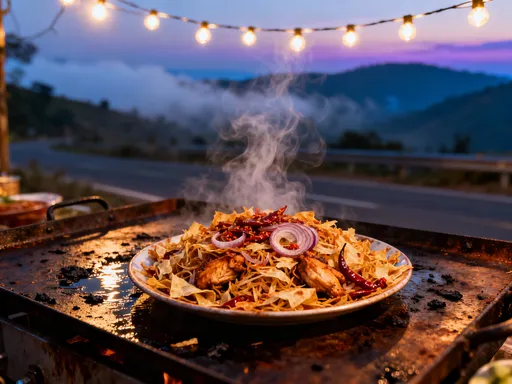
Daegu isn’t just another Korean city—it’s a flavor explosion waiting to be discovered. I went looking for culture but stayed for the food. From sizzling street stalls to hidden basement restaurants, every bite told a story. This is real, unfiltered Korea, far from the tourist crowds. If you think you know Korean food, Daegu will make you rethink everything.
First Impressions: Stepping Into Daegu’s Culinary World
Stepping off the train at Dongdaegu Station, the air carried a distinct warmth—not just from the summer sun, but from the scent of grilling meat and simmering broth drifting from nearby alleyways. Unlike the relentless pace of Seoul or the seaside bustle of Busan, Daegu moves with a grounded rhythm. The city breathes tradition. Its streets are lined with old-school noodle shops, family-run bakeries, and clusters of pojangmachas—those iconic, tented street food stalls lit by red lanterns that come alive after dark. There’s a comfort in the familiarity of daily life unfolding in plain sight: grandmothers bargaining at produce stands, office workers unwinding over shared plates, and students laughing between bites of steaming hotteok.
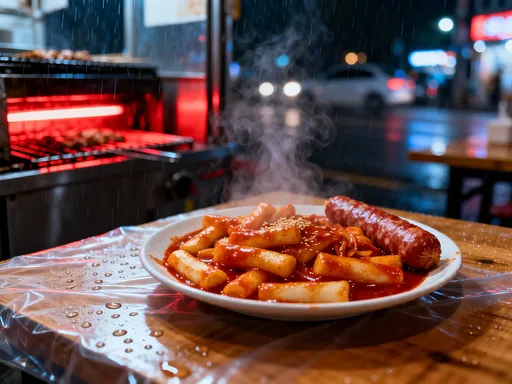
My first meal happened by chance. Drawn by the sharp tang of gochujang and the sight of a crowd gathered around a tiny cart, I squeezed into a plastic stool beneath a faded blue tarp. The vendor handed me a paper plate piled with tteokbokki—chewy rice cakes bathed in a deep red, spicy-sweet sauce that clung to every crevice. Beside it sat a thick slice of sundae, Korean blood sausage, its casing crisp from the grill, revealing a soft, savory interior of barley and pork. The first bite was a revelation: heat that built slowly, balanced by the mild richness of the sausage. It wasn’t fancy, but it was honest, flavorful, and deeply satisfying. In that moment, I realized Daegu doesn’t perform for visitors—it simply lives, and its food is an open invitation to join in.
Why Daegu’s Food Scene Stands Out
What sets Daegu apart on Korea’s culinary map is its unapologetic boldness. The palate here leans into spice, depth, and robust seasoning in a way that distinguishes it from the milder flavors of the north or the seafood focus of coastal regions. This isn’t accidental. Daegu’s inland location, nestled in a valley surrounded by mountains, historically limited access to fresh seafood and encouraged preservation techniques and hearty, warming dishes. The result is a cuisine built for sustenance and flavor intensity, shaped by both geography and generations of tradition.
One of the region’s most celebrated specialties is Dongnae-bokkeum, a braised pork dish originating from the nearby Dongnae district but deeply embraced in Daegu. Marinated in a mixture of soy sauce, garlic, sugar, and gochugaru (Korean chili powder), the pork is slow-cooked until tender, then stir-fried with vegetables for a sticky, savory finish. It’s often served with a mountain of kimchi—Daegu-style, which tends to be spicier and more fermented than versions found elsewhere. This love for heat extends to many dishes, from the fiery dubu jjigae (spicy tofu stew) served in clay pots to the local take on naengmyeon, where the broth is bolder and the seasoning more assertive.
Compared to Seoul’s polished, trend-driven food scene or Busan’s ocean-fresh bounty, Daegu offers something different: authenticity rooted in regional pride. There’s less emphasis on presentation and more on taste. Meals are meant to be shared, lingering, and deeply comforting. The city’s food culture reflects its people—hospitable, grounded, and unpretentious. For travelers seeking a truer taste of Korea beyond the capital’s spotlight, Daegu delivers with every bite.
Hidden Eateries Only Locals Know
Some of Daegu’s best meals happen in places without signs, menus, or even proper addresses. These are the spots passed down through word of mouth, where regulars slide into worn wooden booths like family. One such gem is a tiny gukbap restaurant tucked beneath an unremarkable apartment building in the Seo-gu district. Reached by a narrow staircase and marked only by a faded hand-drawn arrow, the place opens at dawn and closes when the soup runs out. Inside, the air is thick with the aroma of simmering beef bones and garlic. The owner, a woman in her sixties with practiced hands, serves a single dish: seolleongtang, a milky-white ox bone soup served with a side of salt, green onions, and rice.
What makes this meal unforgettable isn’t just the soup’s richness—its velvety texture and deep umami flavor built from hours of slow cooking—but the ritual of it. Diners season their own bowls, adjusting the salt to taste, adding scoops of rice directly into the broth. It’s a quiet, meditative experience, shared with construction workers, retirees, and the occasional curious visitor who followed a local’s tip. The owner doesn’t speak English, but her smile and the extra ladle of soup she quietly adds to your bowl say everything.
Finding these places requires patience and observation. Watch where office workers head after 6 p.m.—they know the best jjimjilbangs (Korean bathhouses) with attached restaurants serving slow-braised short ribs and kimchi stew. Follow the clusters of motorbikes parked in alleys, or listen for the sizzle of grills behind unmarked doors. A few basic Korean phrases—"Ajumma, what do you recommend?" or "Where do you eat?"—can open doors more effectively than any guidebook. These hidden kitchens aren’t trying to impress. They exist to feed, to comfort, and in doing so, they offer a rare glimpse into the soul of Daegu.
Street Food Adventures in Seomun Market
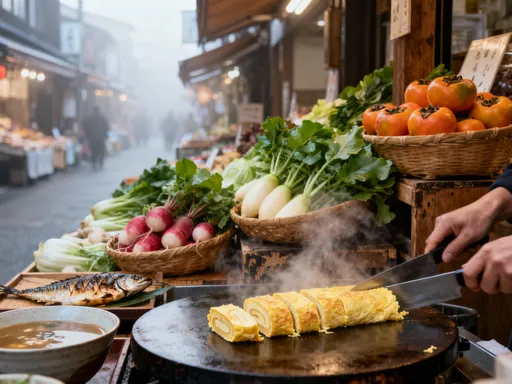
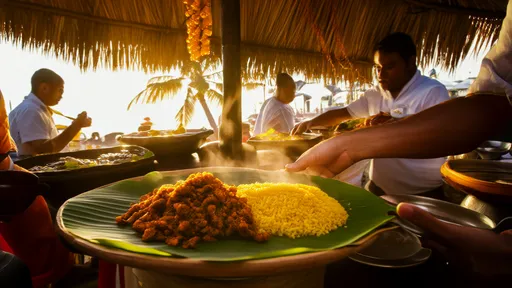
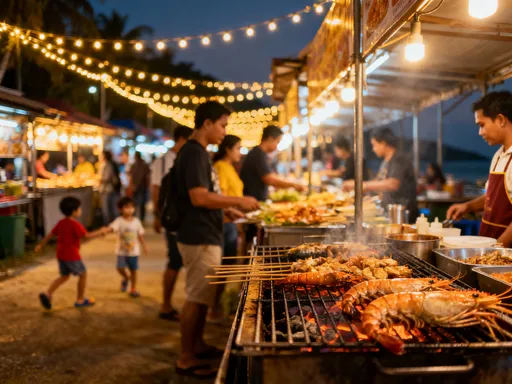
No visit to Daegu is complete without losing yourself in Seomun Market, the city’s largest traditional marketplace and a living museum of Korean street food. Stretching across several blocks, the market hums with energy from early morning until late night. Stalls overflow with fresh produce, dried seafood, and mountains of chili peppers, but the real magic happens along the food alleys, where generations of vendors have perfected their craft. The scent of garlic, sesame oil, and fermenting cabbage fills the air, mingling with the rhythmic clang of cleavers and the cheerful shouts of sellers.
Start with hotteok, the sweet Korean pancake that’s a winter staple but available year-round. In Daegu, the best versions are stuffed with a rich blend of brown sugar, crushed peanuts, and cinnamon, then griddled until the outside is crisp and the inside molten. Watch as the vendor presses the dough flat on a hot plate, swirls in the filling, and folds it shut before frying it to golden perfection. One bite releases a burst of warm sweetness that’s impossible to resist.
For something savory, grilled mackerel is a must. Served whole on a metal tray, the fish is marinated in soy and garlic, then cooked over charcoal until the skin crackles and the flesh flakes apart. Paired with a bowl of spicy tteokbokki and a small cup of makgeolli, the slightly sweet, milky rice wine, it’s a humble feast. Vendors hand-cut the rice cakes fresh, ensuring they’re springy and absorbent, ready to soak up the fiery red sauce. As you eat, standing at a narrow counter or perched on a shared bench, you’re not just consuming food—you’re part of the market’s rhythm, a temporary member of its daily story.
Seomun Market isn’t just about eating; it’s about experiencing. Children dart between stalls with paper cones of roasted sweet potatoes, elders bargain for dried anchovies, and friends gather around low tables, clinking cups of soju. The market thrives on connection, and its food is the thread that ties it all together.
Modern Twists: Where Tradition Meets Innovation
While Daegu honors its culinary roots, a new generation of chefs is reimagining tradition with quiet confidence. In neighborhoods like Banpo-dong and Duryu, sleek cafes and modern bistros stand alongside decades-old noodle shops, creating a dynamic food landscape where heritage and innovation coexist. These aren’t attempts to westernize Korean flavors, but thoughtful evolutions that respect the past while embracing the present.
One standout is a boutique cafe specializing in bingsu, the beloved Korean shaved ice dessert. Instead of the usual red beans or condensed milk, this version features locally inspired flavors like shiso pear and persimmon. The pear, grown in nearby orchards, is lightly pickled with shiso leaves for a refreshing herbal note, then layered over finely shaved milk ice and topped with a delicate persimmon gelée. It’s cool, fragrant, and subtly sweet—less overwhelming than traditional bingsu, yet deeply rooted in regional ingredients.
At a contemporary Korean bistro in the heart of the city, a young chef presents a modern take on bossam, the boiled pork belly dish typically served with kimchi and raw garlic. Here, the pork is slow-poached in a broth infused with dried jujubes and ginger, then sliced thin and wrapped in house-made perilla leaves with a fermented plum paste. The presentation is elegant, the flavors refined, but the essence remains: comfort, balance, and a celebration of Korean taste principles. These new spaces attract younger locals and curious travelers alike, proving that tradition doesn’t have to be static to be respected.
What’s remarkable is how seamlessly these modern interpretations blend into Daegu’s food culture. They don’t replace the old; they expand it. A grandmother might still prefer her tteokguk at the neighborhood jip (house), but she’s proud when her granddaughter opens a fusion tea house using heirloom recipes. In Daegu, progress doesn’t erase the past—it builds upon it.
Practical Tips for Food-Focused Travelers
Planning a culinary journey to Daegu? Timing matters. While the city’s food scene thrives year-round, certain seasons elevate the experience. Summer brings relief in the form of cold noodles—especially mul naengmyeon, served in a tangy iced broth with slices of pear and boiled egg. The dish is cooling, refreshing, and a favorite among locals escaping the heat. Winter, on the other hand, is soup season. From steaming bowls of gamjatang (pork spine stew) to bubbling pots of budae jjigae (army stew), hearty dishes dominate menus, offering warmth and comfort on chilly evenings.
Getting around is easy thanks to Daegu’s clean, efficient subway system. The two-line network connects major districts, including the bustling Jungangno shopping area and the historic Dongseongno entertainment zone. Most food hotspots, including Seomun Market and the underground dining alleys of Seo-gu, are within a 10-minute walk from a station. For more remote spots, buses are frequent and affordable, with digital displays showing route information in English. Taxis are also readily available and reasonably priced, making it simple to reach a late-night pojangmacha recommended by a new friend.
Budget-wise, Daegu is a dream for food lovers. A satisfying meal at a local restaurant typically costs between $6 and $10. Street food items like tteokbokki or hotteok range from $2 to $4. Even at a mid-range bistro, you can enjoy a multi-course meal for under $15. To eat well on a tight budget, follow the locals: join office workers at lunchtime jjigae houses, where set meals include rice, soup, and several side dishes for under $8, or visit markets in the late afternoon when vendors offer discounts on remaining stock.
Don’t underestimate the power of a smile and a few Korean phrases. While many younger vendors speak some English, showing effort with simple words like "masiyo" (delicious) or "gamsahamnida" (thank you) goes a long way. Carry cash, as smaller stalls and older restaurants often don’t accept cards. And always be open to trying something unfamiliar—some of the most memorable dishes come without names or explanations, introduced with a nod and a plate pushed your way.
Final Reflections: More Than Just a Meal
Leaving Daegu, I realized that what stayed with me wasn’t just the taste of spicy tteokbokki or the warmth of seolleongtang, but the feeling of connection. In a country often associated with rapid modernization, Daegu holds fast to its roots, offering a version of Korea that feels intimate and real. Meals here are more than sustenance—they’re acts of hospitality, expressions of identity, and invitations to slow down and share.
Even without fluent language, I found understanding in a grandmother’s nod as she refilled my soup, in the laughter of students passing a plate of grilled squid, in the quiet pride of a vendor who’s served the same dish for thirty years. These moments, woven together by food, created a deeper cultural immersion than any museum or tour could provide.
Daegu challenges the notion that Korea’s culinary story begins and ends in Seoul. It reminds us that the heart of a country often beats strongest in its lesser-known corners. For travelers willing to step beyond the well-trodden path, Daegu offers not just a meal, but a memory—one flavored with spice, shaped by tradition, and shared with warmth. If you’re ready to taste Korea as it’s truly lived, start here. Let your curiosity lead you down unmarked alleys, into basement kitchens, and across bustling markets. You won’t just believe what you eat in Daegu—you’ll carry it with you long after you leave.