You Gotta See These Hidden Corners of Dijon – A Local’s Real Take
Dijon isn’t just about mustard—it’s a city layered with history, charm, and neighborhoods that each tell their own story. I wandered its cobblestone streets with no map, just curiosity, and discovered districts where medieval spires meet vibrant street art, and quiet squares hide behind bustling markets. This is more than a guide—it’s a journey through the soul of a French gem most tourists only scratch the surface of. Let’s dive in.
The Heartbeat of Dijon: Exploring the Historic Center (Centre-Ville)
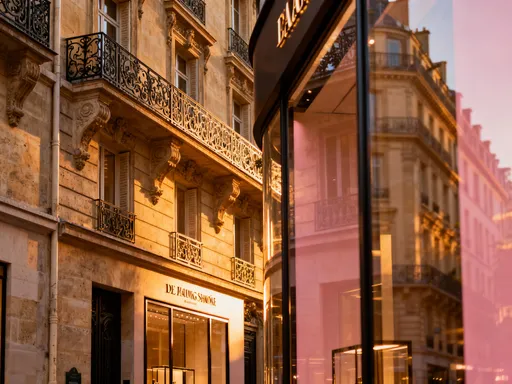
The historic center of Dijon, known locally as Centre-Ville, serves as the city’s vibrant core and a natural starting point for any meaningful exploration. Laid out in a carefully preserved grid of pedestrian-friendly streets, this district invites leisurely strolls under wrought-iron lampposts and past elegant shopfronts that blend tradition with modern convenience. At its northern edge lies Place Darcy, a sun-drenched square framed by chestnut trees and bordered by cafés where locals sip espresso before work. From here, Rue de la Liberté unfurls like a red carpet through time, guiding visitors southward through centuries of architectural evolution. This grand thoroughfare is more than a shopping street—it’s a timeline etched in stone, where 17th-century hôtels particuliers stand shoulder to shoulder with Art Deco facades and contemporary boutiques.
Walking down Rue de la Liberté, one cannot help but notice the subtle shifts in texture and tone. The intricate carvings above doorways tell stories of past guilds and noble families, while hidden courtyards—often marked only by unassuming arches—open into serene spaces where ivy climbs centuries-old walls. These passageways, known as *traboules*, were once used by merchants and residents to navigate the city discreetly, and today they offer intimate glimpses into Dijon’s layered past. The rhythm of the city pulses strongest here: the morning hum of bakery deliveries, the midday chatter of tourists comparing maps, and the golden-hour calm when shadows stretch across the cobbles and the street musicians pack up their instruments.
What makes Centre-Ville so essential is not just its beauty, but its accessibility and centrality. It functions as a cultural and logistical gateway, connecting major landmarks like the Palais des Ducs to smaller, lesser-known sites tucked into side streets. Whether you're drawn to history, shopping, or simply soaking in atmosphere, this district sets the tone for the entire Dijon experience. Its balance of preservation and vitality ensures that it never feels like a museum exhibit, but rather a living, breathing neighborhood where daily life unfolds in harmony with heritage. For first-time visitors, spending a full morning here—pausing for coffee, browsing artisan shops, and allowing yourself to get mildly lost—offers the best introduction to the city’s character.
Step Into the Past: The Charm of Dijon’s Old Town (Les Grands Boulevards & Protected Sector)
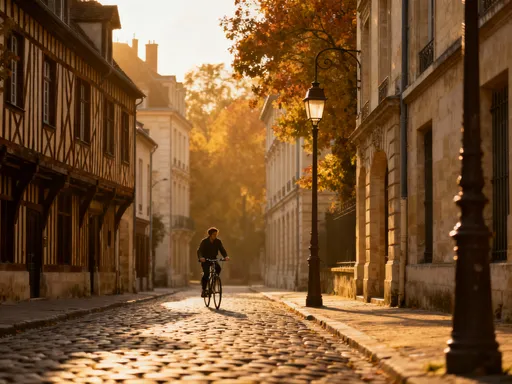
If Centre-Ville is the city’s pulse, then the Old Town—officially designated as the *Secteur Sauvegardé*—is its beating heart. Established in 1965, this area holds the distinction of being France’s first protected urban sector, a recognition of its exceptional historical and architectural value. Encircled roughly by the tree-lined boulevards that replaced the city’s ancient fortifications, the district preserves the medieval footprint of Dijon with remarkable fidelity. Here, narrow lanes twist and turn without regard for modern grids, and half-timbered houses with steeply pitched roofs lean gently toward one another, as if sharing centuries-old secrets. The scent of aged stone and fresh bread mingles in the air, and the sound of footsteps echoes against stone walls that have stood since the 14th century.
Among the most iconic structures is the Palais des Ducs et des États de Bourgogne, a sprawling complex that once served as the residence of the powerful Dukes of Burgundy. Its grand cour d’honneur, flanked by Renaissance and Gothic wings, leads to the Tour de la Philosophie and the awe-inspiring Clock Tower, home to the famous Jacquemart clock. Installed in the 15th century, this animated timepiece still chimes every quarter hour, as two mechanical figures strike the bell in a timeless performance. Inside the palace, the Musée des Beaux-Arts occupies what were once ducal apartments and a former Benedictine convent, housing an impressive collection of European art, including works by Botticelli, Delacroix, and local sculptor François Rude.
Equally captivating is the Église Notre-Dame de Dijon, a 13th-century marvel of Gothic architecture renowned for its grotesque yet charming chimeras and the intricate sculpture of the Virgin and Child above its portal. But beyond these headline attractions, the true magic of the Old Town lies in its quieter corners: the Cour du Parlement, a secluded Renaissance courtyard; the Chapelle des Cordeliers, where stained glass filters sunlight into pools of color; and the countless unnamed alleys where ivy spills over wrought-iron balconies and flower boxes burst with geraniums. To fully appreciate this district, timing is key. Early mornings, just after the boulangeries open and before tour groups arrive, offer the most authentic experience. Alternatively, late afternoon light casts a golden glow on the stone facades, transforming ordinary streets into scenes from a historical painting. With no cars allowed in most areas, the Old Town rewards slow exploration—each turn revealing another layer of Dijon’s enduring charm.
Local Life Unfolds: The Vibrant Rive Droite District
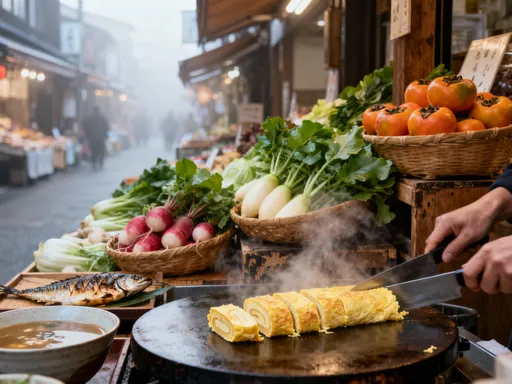
North of the Gare de Dijon-Ville, across the tracks, lies the Rive Droite—a neighborhood that offers a refreshing contrast to the polished elegance of the city center. Here, the pace slows, the streets widen, and the rhythms of daily life take precedence over tourist itineraries. This is where Dijon’s residents shop, socialize, and raise families, and it’s one of the best places to witness the city’s authentic character. The heart of Rive Droite is Place du Marché, a lively square that hosts one of the city’s most beloved open-air markets every morning except Monday. Under long rows of green awnings, vendors display pyramids of seasonal produce: plump strawberries in spring, golden mirabelles in summer, and earthy cèpes in autumn. Butchers, cheesemongers, and florists call out greetings to regulars, creating a sense of community that feels both warm and unscripted.
The surrounding streets are lined with independent boutiques, bakeries that still use wood-fired ovens, and cafés where conversations drift out onto the sidewalks. One might stumble upon a tiny bookstore specializing in Burgundian history, a family-run épicerie selling regional jams and wines, or a modern pâtisserie reinventing classic French desserts with local ingredients. These businesses reflect a broader trend in Rive Droite: a blend of tradition and innovation that honors the past without being bound by it. Unlike the more curated atmosphere of the historic center, this district embraces imperfection—cracked pavement, mismatched signage, laundry hanging from upper windows—all of which contribute to its genuine appeal.
Rive Droite also exemplifies Dijon’s demographic and cultural diversity. Immigrant communities from North Africa, Southeast Asia, and Eastern Europe have made this area their home, enriching the culinary landscape with halal butchers, Vietnamese noodle shops, and North African tea houses. This multiculturalism is not performative but organic, woven into the fabric of everyday life. Children play in the small park near the market, seniors gather for dominoes under the chestnut trees, and young professionals bike home from work along the tree-lined avenues. For visitors seeking to understand Dijon beyond its postcard image, a few hours spent in Rive Droite—with a market-fresh sandwich in hand and no fixed itinerary—offers a deeply human perspective on the city.
Green & Serene: Escaping to the Rive Gauche and Parc de la Toison d’Or
On the southern bank of the Bourbince River, the Rive Gauche presents a quieter, more contemplative side of Dijon. This district, anchored by the expansive Parc de la Toison d’Or, is a haven for those seeking respite from urban energy. Once an industrial zone, the area has been thoughtfully redeveloped into a model of sustainable urban planning, where green spaces, residential buildings, and cultural facilities coexist in balanced harmony. The park itself, named after the historic Order of the Golden Fleece established by the Dukes of Burgundy, spans over 13 hectares and features wide lawns, winding footpaths, a reflective pond, and a children’s play area. It is, without question, the city’s most beloved green lung.
Mornings here are often filled with joggers, dog walkers, and parents pushing strollers along the tree-lined paths. By midday, office workers from nearby buildings claim benches with sandwiches and novels, while students from the nearby university gather in small groups beneath the plane trees. In spring and summer, the floral displays are spectacular—tulips, dahlias, and lavender bloom in carefully curated beds, attracting both pollinators and photographers. A highlight is the Jardin des Sens, a sensory garden designed for visitors of all abilities, where fragrant herbs, textured plants, and gentle water features create a calming, immersive experience. The park also hosts seasonal events, from open-air concerts to outdoor yoga classes, reinforcing its role as a communal space for relaxation and connection.
What sets Rive Gauche apart is not just its natural beauty, but its thoughtful integration into the city’s broader urban fabric. The surrounding neighborhood features modern, energy-efficient housing, bike lanes, and pedestrian-friendly streets, reflecting Dijon’s commitment to eco-conscious development. The tram line extends to this area, making it easily accessible, yet it maintains a peaceful, almost suburban feel. For visitors, a visit to Parc de la Toison d’Or offers more than just a break from sightseeing—it provides insight into how Dijon values quality of life and environmental stewardship. Whether you’re reading a book under a tree, watching ducks glide across the pond, or simply breathing in the fresh air, this district reminds us that cities are not just places of history and commerce, but also of rest, renewal, and everyday joy.
Arts & Innovation: The Creative Pulse of the Montchapet Neighborhood
Just west of the city center, the Montchapet neighborhood stands as a testament to Dijon’s capacity for reinvention. Once a hub of industrial activity, home to factories and warehouses, Montchapet has undergone a remarkable transformation over the past two decades. Today, it is a thriving center for contemporary art, creative enterprises, and cultural experimentation. The shift began in the 1980s with the establishment of Le Consortium, a multidisciplinary art center that quickly gained international acclaim for its cutting-edge exhibitions and support of emerging artists. Housed in a converted industrial building, Le Consortium blends raw architectural elements—exposed steel beams, concrete floors—with sleek modern design, creating a space that feels both grounded and forward-looking.
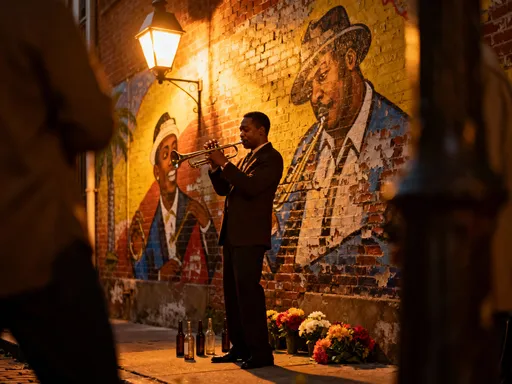
The influence of Le Consortium has radiated outward, inspiring a wave of artistic activity throughout the neighborhood. Former factories have been repurposed into artist studios, rehearsal spaces, and independent galleries. Street art now adorns once-dull walls, with murals ranging from abstract compositions to socially engaged pieces that reflect local and global themes. Walking through Montchapet, one might stumble upon an open studio event, a pop-up performance in a courtyard, or a small design shop selling handmade ceramics and textiles. The atmosphere is informal, inclusive, and deeply creative—a far cry from the hushed galleries of the city center.
What makes Montchapet particularly compelling is its authenticity. Unlike curated art districts designed primarily for tourism, this area evolved organically from the needs and passions of its residents. Artists, designers, and entrepreneurs have chosen to live and work here not for prestige, but for space, affordability, and community. The neighborhood hosts regular events such as the Montchapet Days, when studios open to the public, and the Dijon Street Art Festival, which brings international talent to collaborate with local creators. For travelers interested in contemporary culture, a visit to Montchapet offers a rare opportunity to engage with living art in its natural habitat. It’s a reminder that Dijon is not a city frozen in time, but one that continues to evolve, innovate, and express itself in bold new ways.
Beyond the Center: Hidden Gems in the Northern and Eastern Quarters
While much of Dijon’s appeal lies within its historic core, some of its most rewarding experiences await in the quieter neighborhoods to the north and east. Areas like Valmy and Fontaine-d’Ouche may not appear on every tourist map, but they offer a different kind of richness—one defined by tranquility, authenticity, and a slower pace of life. Valmy, located just beyond the northern edge of the city, is a residential district known for its leafy streets, 19th-century villas, and strong sense of community. On weekends, families gather in the Parc de la Colombière, children ride bikes along quiet avenues, and neighbors chat over garden fences. The neighborhood is home to several excellent bakeries, including one renowned for its *pain d’épices*, a spiced honey bread with roots in Burgundian tradition.
Further east, Fontaine-d’Ouche unfolds along the banks of a small river of the same name. This area blends rural charm with suburban convenience, featuring stone houses with flower-filled gardens, small farms, and walking trails that follow the water’s edge. It is a favorite spot for locals seeking peace and natural beauty without leaving the city limits. Community gardens and urban farming initiatives have taken root here, reflecting a growing interest in sustainability and local food production. While public transit access is more limited than in central districts, both areas are increasingly connected by Dijon’s expanding bike network. The city’s Veligo bike-sharing program offers affordable access to sturdy, well-maintained bicycles, making it easy to explore these outer neighborhoods at your own pace.
Visiting these areas requires a willingness to wander without a strict agenda. There are no grand monuments or ticketed attractions—only the quiet pleasures of daily life. One might pause to admire a hand-painted shop sign, accept an invitation to sample homemade jam from a friendly resident, or simply sit on a bench and watch the seasons change. These moments, though unremarkable on the surface, often become the most memorable parts of a trip. For travelers looking to go beyond the highlights and experience Dijon as a place where people truly live, these northern and eastern quarters offer a gentle, heartfelt welcome.
Navigating Dijon Like a Pro: Connecting the Districts with Ease
One of Dijon’s greatest strengths as a travel destination is its walkability and efficient public transportation system. The city center is compact enough to explore entirely on foot, with most major attractions within a 20-minute stroll of one another. But to experience the full breadth of Dijon—from the historic core to the green spaces of Rive Gauche and the creative energy of Montchapet—visitors will benefit from understanding how to move between districts with ease. The backbone of the system is Dijon’s modern tram network, which consists of two lines (T1 and T2) that intersect at key points like Gare de Dijon-Ville and Place Wilson. The trams are clean, punctual, and equipped with real-time information displays, making them ideal for both residents and visitors.
Purchasing tickets is straightforward, with options for single rides, day passes, and multi-day passes available at stations and via mobile apps. A 24-hour pass, for instance, allows unlimited travel and is excellent value for those planning to explore multiple neighborhoods in a single day. For shorter distances, the Veligo bike-sharing program offers a healthy and scenic alternative. With over 60 stations across the city, bicycles are never far away, and dedicated bike lanes make riding safe and enjoyable. Many visitors find that combining walking, tram rides, and occasional bike trips provides the most balanced and immersive way to experience Dijon.
Planning your route effectively can enhance your visit significantly. Mornings are ideal for exploring the Old Town and Centre-Ville, when light is soft and crowds are light. Midday is well-suited to visiting Parc de la Toison d’Or or enjoying a market lunch in Rive Droite. Late afternoons and evenings offer the chance to explore Montchapet’s galleries or take a leisurely bike ride along the river. City maps are available at the tourist office and online, and several free apps provide walking tours, transit schedules, and points of interest. The key is pacing—allowing time to linger, to get slightly lost, and to let the city reveal itself at its own rhythm. Dijon is not a city to be rushed, but one to be savored, one quiet street and unexpected encounter at a time.
Dijon reveals itself not in monuments alone, but in the rhythm of its districts—the quiet corners, the market chatter, the art tucked in alleyways. Each neighborhood offers a different shade of French life, waiting to be felt, not just seen. The real magic? Letting the city guide you, one unexpected turn at a time.