You Won’t Believe These Hidden Leisure Spots in Frankfurt
Frankfurt isn’t just banks and business—trust me, I was surprised too. Behind its sleek skyline lies a city bursting with relaxed, off-the-beaten-path leisure spots. From cozy riverfront hangouts to secret rooftop escapes, I discovered a side of Frankfurt no travel guide warned me about. It’s vibrant, authentic, and totally shareable. If you think this city is all about finance, wait until you see how locals unwind. There’s a rhythm here that hums beneath the surface—one of sun-drenched riverbanks, quiet apple wine gardens, and green oases where time slows. This is a Frankfurt that doesn’t just welcome visitors, but invites them to pause, breathe, and belong.
Beyond the Skyline: Rethinking Frankfurt’s Identity
When most travelers picture Frankfurt, they envision a forest of glass towers, stock tickers flashing, and a city that never sleeps—but always works. And yes, Frankfurt is Germany’s financial heartbeat, home to the European Central Bank and a skyline so bold it’s nicknamed “Mainhattan.” Yet reducing this city to its corporate identity overlooks a quiet revolution unfolding beneath the surface. In recent years, Frankfurt has undergone a cultural renaissance, shifting its focus from pure productivity to a more balanced lifestyle. Urban planning now prioritizes public spaces, green zones, and community-driven leisure, making the city increasingly livable and deeply appealing to those seeking authentic experiences.
This evolution reflects a broader trend in modern travel. Today’s visitors don’t just want to see sights—they want to feel the pulse of a place. They crave moments of connection, stillness, and spontaneity. Frankfurt, once dismissed as a stopover city, now offers exactly that: a dynamic blend of efficiency and ease. The city’s investment in walkable neighborhoods, bike-friendly infrastructure, and seasonal cultural programming has transformed it into a destination where relaxation isn’t an afterthought—it’s built into the fabric. Parks, riverside promenades, and creative districts now thrive alongside business districts, proving that even in a city known for its pace, there’s room to slow down.
What makes this shift remarkable is how seamlessly it integrates with Frankfurt’s existing character. This isn’t a city trying to be something it’s not. Instead, it’s embracing its multifaceted identity—cosmopolitan yet rooted, modern yet traditional. The result is a travel experience that feels both refreshing and genuine. For the discerning traveler, especially those who value authenticity and comfort over spectacle, Frankfurt’s hidden leisure culture offers a compelling invitation: to look beyond the obvious and discover a city that works hard—and knows how to rest well.
Sachsenhausen: Where Tradition Meets Chill Vibes
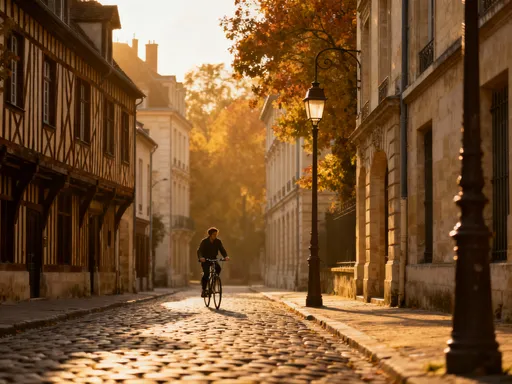
Just south of the River Main, across the historic Alte Brücke, lies Sachsenhausen—a neighborhood that embodies Frankfurt’s soul. Far from the polished plazas of the banking district, this quarter pulses with a slower, more intimate rhythm. Cobbled streets wind past half-timbered houses, and the scent of grilled sausages and spiced apple wine drifts from centuries-old taverns. Often overlooked by tourists drawn to the city center, Sachsenhausen is where locals come to unwind, socialize, and savor the simple pleasures of everyday life. It’s a place where tradition isn’t preserved behind glass—it’s lived, shared, and deeply enjoyed.
The heart of Sachsenhausen’s leisure culture beats strongest in its Apfelweinlokale—traditional apple wine taverns that serve as communal living rooms. These aren’t fancy restaurants, but warm, unpretentious spaces where wooden benches encourage conversation and laughter. Here, visitors sip tart, fermented apple wine from stoneware cups known as Bembels, often paired with hearty dishes like Handkäse mit Musik (a local cheese with onion dressing). The atmosphere is casual, welcoming, and refreshingly free of tourist pressure. Places like Zum Gemalten Haus or Kleiner Gong offer a genuine taste of Frankfurt’s heritage, where time seems to stretch and every visit feels like stepping into a long-standing friendship.
But Sachsenhausen isn’t just about the past. Along Berger Straße, one of Frankfurt’s longest and most beloved shopping avenues, tradition blends effortlessly with modern comfort. This tree-lined street is dotted with independent cafés, organic bakeries, and vintage shops, creating a relaxed atmosphere perfect for a midday stroll or an afternoon coffee. Stop by a sunlit corner café, order a slice of Apfelstrudel, and watch life unfold at a gentler pace. On weekends, farmers’ markets spring up, offering fresh produce and handmade goods. For the 30- to 55-year-old traveler—often seeking meaningful, low-key experiences—Berger Straße delivers authenticity without effort, charm without pretense.
The River Main: Frankfurt’s Open-Air Living Room
If Sachsenhausen offers a glimpse into Frankfurt’s cultural soul, the River Main reveals its recreational spirit. Lining both banks of the river is a continuous promenade that transforms into the city’s de facto living room each spring and summer. Locals flock here not just for the views of the skyline, but for the freedom it represents—a space to move, rest, and connect. Whether cycling along dedicated paths, lounging on grassy slopes, or gathering for open-air cinema nights, residents and visitors alike treat the riverbanks as an extension of their homes. This seamless integration of nature and urban life is one of Frankfurt’s quiet triumphs.
The Main River’s leisure appeal is both accessible and diverse. For active travelers, the network of bike and walking trails offers scenic routes that stretch for miles. Rent a city bike and ride from the Eiserner Steg footbridge toward Offenbach, enjoying panoramic views of the skyline and the changing landscape. In warmer months, the river itself becomes a playground. While swimming in the Main isn’t common due to currents, the city has embraced creative alternatives. Floating bars like Badebug—a converted barge turned summer lounge—anchor near the south bank, offering drinks, music, and sun decks. It’s a place where people gather in flip-flops and linen shirts, sipping cocktails as the sun dips behind the skyscrapers.
Equally popular are seasonal beach clubs such as the Surf Club Frankfurt, which sets up temporary sandy stretches, palm trees (artificial, but effective), and lounge chairs along the shore. These pop-up oases host everything from yoga sessions to DJ sets, creating a vacation-like atmosphere without leaving the city. Families spread out picnic blankets, teenagers play frisbee, and couples stroll hand in hand as the golden hour paints the water. These spaces are democratic by design—open to all, free to enjoy, and rich in atmosphere. For the traveler seeking to experience Frankfurt like a local, an evening along the Main is essential. It’s here, under the open sky, that the city’s warmth becomes undeniable.
Hidden Rooftops & Urban Escapes
For those who appreciate a view with their relaxation, Frankfurt’s skyline offers more than just distant admiration—it invites you to rise above it. While the Main Tower observation deck draws crowds, quieter, more intimate rooftop experiences await those who know where to look. These elevated escapes combine design, ambiance, and breathtaking panoramas, creating moments that feel both luxurious and effortless. They are not clubs pulsing with energy, but spaces designed for conversation, contemplation, and connection under the stars.
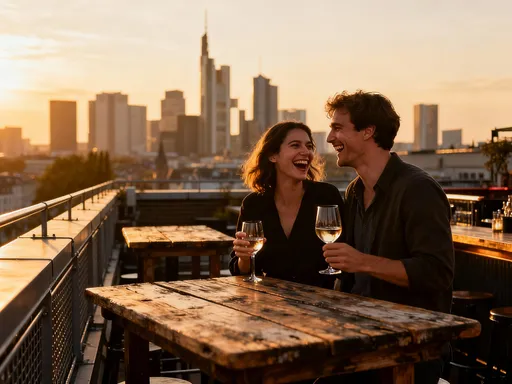
One such gem is Loft, located atop the Holiday Inn near the Messe grounds. This rooftop bar is a favorite among locals who value comfort over chaos. With its low lighting, plush seating, and 360-degree views of the city, Loft offers a serene vantage point without the entry fees or long lines of more famous spots. Sip a carefully crafted cocktail as the city lights flicker to life, and feel the gentle breeze from the river. The music is subtle—often jazz or ambient electronic—allowing for easy conversation. It’s the kind of place where time slows, and the weight of daily life lifts, even if just for an hour.
Another standout is Eighty Eight, a stylish lounge perched high above the city center. True to its name, it occupies the 23rd floor of a modern high-rise, offering sweeping views of both old and new Frankfurt. The design is minimalist yet warm, with deep sofas, warm wood accents, and an open-air terrace that becomes magical at dusk. What sets Eighty Eight apart is its atmosphere—sophisticated but never stiff. It attracts a mature crowd, professionals and creatives alike, who come to unwind with a drink and a view. Unlike flashier venues, there’s no dress code pressure or loud music, making it ideal for travelers who want elegance without excess.
These rooftop spaces exemplify a growing trend in urban leisure: the desire for elevated experiences that are calming, not crowded. They prove that relaxation can coexist with beauty and design. For the 30- to 55-year-old woman—a traveler who values both comfort and culture—these spots offer a rare combination: a sense of escape without leaving the city, and a moment of quiet reflection amid the urban glow.
Parks with Personality: Green Spaces That Breathe Life
Frankfurt’s green spaces are not afterthoughts—they are essential to the city’s well-being. With over 50 parks and protected woodlands, the city ensures that nature is never far away. These aren’t just manicured lawns for photo ops; they are living, breathing parts of daily life, where residents walk dogs, practice tai chi, or read novels beneath the trees. For travelers, these parks offer a chance to reset, to step off the pavement and into a gentler rhythm. Each green space has its own character, catering to different moods and moments.
Palmengarten, Frankfurt’s botanical garden, is a masterpiece of design and tranquility. Spanning 50 acres, it features themed gardens, serene ponds, and glasshouses filled with tropical plants. Visitors wander along shaded paths, pause by fountains, and linger in quiet corners where birdsong replaces traffic noise. It’s a place that invites slowness—a perfect retreat for an afternoon when the city feels overwhelming. Families enjoy the children’s garden, while solo travelers find solace among the orchids and ferns. Seasonal events, such as cherry blossom viewing in spring or lantern walks in winter, add to its charm, making it a year-round destination.
For those seeking deeper immersion in nature, Stadtwald and Waldfrieden offer forested escapes just minutes from the city center. Stadtwald, Frankfurt’s largest woodland, features marked trails for walking and running, as well as open meadows ideal for picnics. It’s common to see groups practicing outdoor yoga or friends gathering for summer barbecues. Waldfrieden, nestled in the northern district, is quieter, almost meditative, with winding paths and centuries-old trees. These spaces reflect a German appreciation for Waldluft—the healing air of the forest—and provide a powerful antidote to urban fatigue.
What makes Frankfurt’s parks truly special is how they foster community. Throughout the warmer months, they host free events: open-air concerts, fitness classes, and cultural festivals. These gatherings are low-key and inclusive, drawing locals of all ages. For the visitor, joining a park event is a seamless way to connect with the city’s rhythm. Whether stretching in a sunrise yoga session or enjoying a live jazz performance on a summer evening, these moments offer a sense of belonging that no museum or monument can replicate.
Creative Hubs: Leisure Through Culture
In Frankfurt, leisure isn’t just about rest—it’s also about engagement. The city’s creative districts offer a different kind of relaxation: one that stimulates the mind while soothing the spirit. Places like Künstlerhaus Mousonturm and Künstlerfeld redefine downtime as something active, curious, and deeply fulfilling. These are not traditional museums or galleries, but dynamic spaces where art, performance, and community intersect. They attract thinkers, dreamers, and those who find peace in creativity.
Künstlerhaus Mousonturm, housed in a striking modernist building, serves as a hub for contemporary theater, dance, and experimental art. Its programming is bold and international, yet deeply rooted in local dialogue. Visitors might attend a thought-provoking play, an interactive installation, or a cross-cultural music performance. The atmosphere is inclusive and intellectually vibrant, drawing an audience that values depth over spectacle. For the traveler who enjoys cultural immersion, a visit here offers insight into Frankfurt’s progressive spirit and artistic pulse.
Near the city’s western edge, Künstlerfeld is a more informal creative zone, where former industrial spaces have been transformed into studios, workshops, and pop-up venues. Here, local artists open their doors during weekend markets, selling handmade jewelry, ceramics, and textiles. Indie cinemas screen classic and foreign films, while food trucks serve global flavors. The vibe is relaxed and authentic—there’s no entry fee, no schedule to follow, just the freedom to explore at your own pace. It’s the kind of place where you might strike up a conversation with a potter, taste homemade chutney, or find a unique gift you didn’t know you needed.
These creative hubs reflect a growing understanding that leisure is not passive. Engaging with art, ideas, and craftsmanship can be as restorative as a nap or a walk. For the 30- to 55-year-old woman—often balancing family, work, and personal interests—these spaces offer a rare gift: the chance to feel inspired without pressure. They remind us that relaxation can include curiosity, that joy can be found in discovery.
Local Secrets: How to Experience Frankfurt Like a Resident
To truly experience Frankfurt’s hidden leisure culture, one must adopt the mindset of a local: curious, unhurried, and open to spontaneity. The best moments often happen off the itinerary—finding a quiet bench by the river, stumbling upon a street musician in the Altstadt, or joining a neighborhood wine tasting. Timing matters. Visit parks and river spots on weekday mornings to avoid crowds, or explore rooftop bars on Sunday evenings when the energy is calm and the views are just as stunning.
Public transportation in Frankfurt is efficient and easy to navigate, making it simple to move between districts without stress. The U-Bahn and S-Bahn networks connect all major areas, while regional trains provide quick access to nearby forests and villages. For a more immersive experience, rent a bike—Frankfurt is a bike-friendly city with well-marked lanes and rental stations throughout. This allows you to travel at a human pace, noticing details you’d miss from a car or train.
Neighborhood knowledge is key. While guidebooks highlight museums and monuments, real-time insights come from local sources. Follow community hashtags on social media, such as #FrankfurtLeben or #MainMoments, to discover pop-up events, seasonal markets, or new café openings. Visit neighborhood bulletin boards in libraries or cafés, where residents post flyers for yoga classes, language exchanges, or garden tours. These small gestures create a deeper connection to the city, turning a visit into a meaningful experience.
Finally, allow room for the unplanned. Some of Frankfurt’s most memorable leisure moments happen by accident—like finding a hidden courtyard garden in Sachsenhausen or catching a free concert in the park. Let go of rigid schedules and embrace the city’s rhythm. Talk to locals, ask for recommendations, and be open to changing plans. The most authentic experiences aren’t found in brochures—they’re discovered in conversation, in quiet observation, in the simple act of being present.
Conclusion
Frankfurt’s leisure scene proves that even the most unexpected cities can offer deeply satisfying escapes. By stepping off the tourist trail and into its authentic neighborhoods, travelers gain not just memories—but a new rhythm. This is more than sightseeing; it’s about slowing down, tuning in, and discovering joy in the everyday. The next great moment might be just along the riverbank, under the open sky, waiting to go viral. Whether you’re sipping apple wine in a centuries-old tavern, breathing in the forest air of Stadtwald, or watching the sunset from a quiet rooftop, Frankfurt invites you to redefine what relaxation means. It’s a city that works hard—and knows how to rest well. And for the traveler who values authenticity, comfort, and quiet beauty, it may just become a favorite destination, not just a stopover on the map.